Want to unlock the true power of Azure without blowing your budget? The azure price cal tool is your secret weapon. In this deep dive, we’ll show you how to calculate, predict, and optimize every dollar spent—backed by real strategies, expert insights, and step-by-step guidance.



What Is Azure Price Cal and Why It Matters
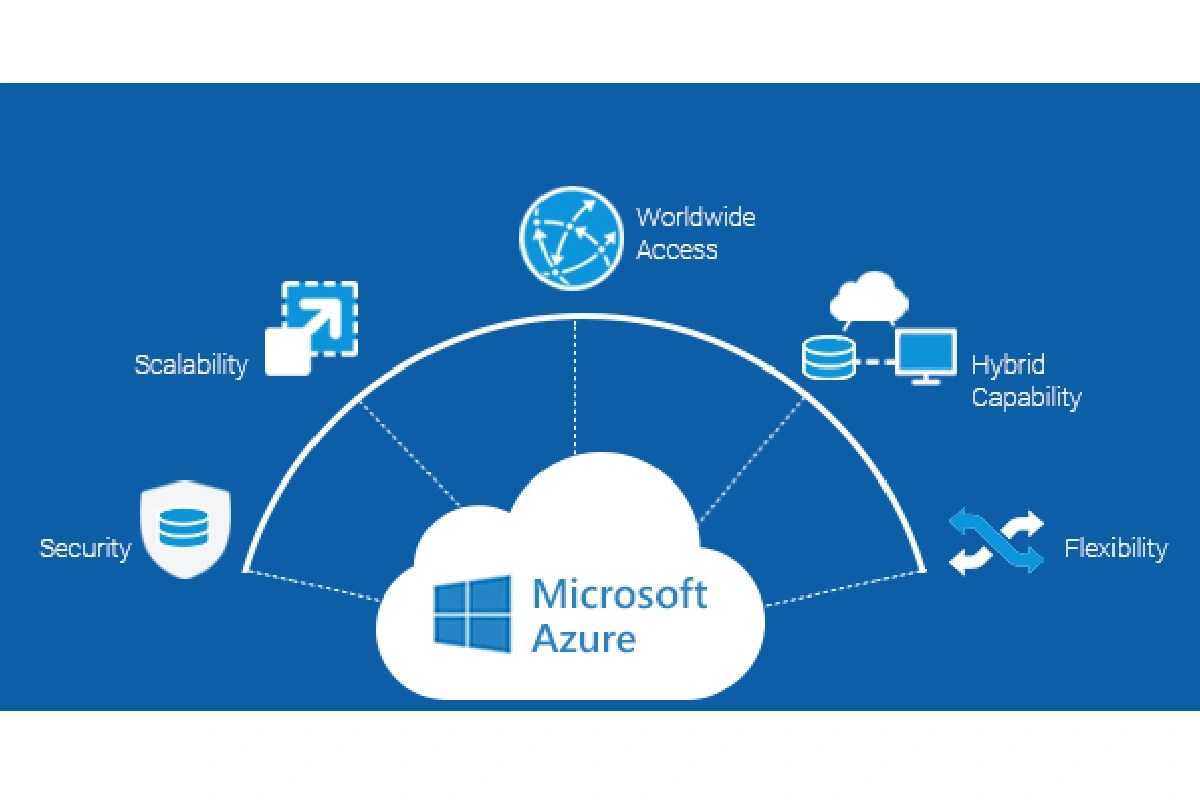
The term azure price cal refers to the process—and tools—used to calculate Microsoft Azure cloud service costs. While not an official product name, it’s commonly used to describe the Azure Pricing Calculator, Total Cost of Ownership (TCO) Calculator, and related cost management tools. These resources empower businesses to forecast spending, compare pricing models, and avoid unexpected bills.
Understanding the Azure Pricing Calculator
The Azure Pricing Calculator is a free, interactive tool that allows users to estimate monthly costs based on their planned cloud infrastructure. You can select services like Virtual Machines, Blob Storage, or Azure Functions, configure specifications, and instantly see a projected bill.
- Real-time cost estimation for over 100 Azure services
- Customizable regions, instance types, and usage hours
- Export options for sharing with stakeholders
“The Azure Pricing Calculator helped us cut our initial cloud budget estimate by 38% before deployment.” — IT Director, Mid-sized SaaS Company
Differences Between azure price cal and Azure TCO Calculator
While azure price cal often refers to the standard pricing calculator, it’s important to distinguish it from the Azure TCO Calculator. The latter compares on-premises infrastructure costs with migrating to Azure, factoring in hardware, maintenance, power, and labor.
- TCO Calculator: Best for migration planning and long-term ROI analysis
- Price Cal (Pricing Calculator): Ideal for granular, service-level cost modeling
- Both tools integrate with Azure Cost Management for post-deployment tracking
How to Use azure price cal for Accurate Cost Forecasting
Using the azure price cal tool effectively requires more than just clicking random services. A strategic approach ensures your estimates reflect real-world usage patterns and business needs.
Step-by-Step Guide to Building a Cost Model
Follow these steps to create a reliable cost forecast using the Azure Pricing Calculator:
- Define your workload: Identify the applications or services you plan to run on Azure (e.g., web app, database, analytics).
- Select your region: Choose the geographic location for your resources—pricing varies significantly by region.
- Add services: Start with core components like VMs, storage, networking, and databases.
- Configure specifications: Set instance size, storage type, data transfer volume, and backup frequency.
- Adjust usage patterns: Define how many hours per day the service will run (e.g., 24/7 vs. 8 hours/day).
- Review and export: Analyze the total monthly cost and export the estimate as a PDF or CSV.
This structured method prevents underestimation and helps identify cost outliers early.
Common Mistakes When Using azure price cal
Even experienced cloud architects make errors when estimating costs. Here are the most frequent pitfalls:
- Ignoring egress fees: Data transfer out of Azure can be expensive, especially for global users.
- Over-provisioning VMs: Selecting high-memory instances without benchmarking actual needs.
- Forgetting reserved instances: Not accounting for potential savings from 1- or 3-year commitments.
- Underestimating backup and snapshot storage: These add-ons accumulate over time.
“We once projected $2,000/month but ended up paying $5,000 due to unaccounted data transfers. Now we triple-check egress in azure price cal.” — Cloud Engineer, Fintech Startup
Key Features of the azure price cal Tool You Should Know
The Azure Pricing Calculator (commonly referred to as azure price cal) offers several advanced features that go beyond basic cost estimation. Mastering these can dramatically improve accuracy and usability.
Real-Time Pricing Updates and Regional Variations
Cloud pricing changes frequently. The azure price cal tool pulls live data from Microsoft’s pricing API, ensuring your estimates reflect current rates. It also highlights regional differences—for example, running a D4s v3 VM in East US costs $0.192/hour, while in North Europe it’s $0.216/hour.
- Compare prices across 60+ Azure regions
- See spot instance discounts (up to 90% off)
- Factor in Azure Hybrid Benefit savings for Windows Server and SQL Server
Integration with Azure Cost Management + Billing
One of the most powerful aspects of azure price cal is its synergy with Azure’s native cost management tools. After deployment, you can compare actual spend against your initial calculator estimates using Azure Cost Management.
- Create budgets and alerts
- Track cost trends by service, department, or tag
- Generate detailed reports for finance teams
This closed-loop system turns estimation into continuous optimization.
Optimizing Costs with azure price cal: Pro Tips
Using the azure price cal tool isn’t just about predicting costs—it’s about designing cost-efficient architectures from day one.
Leverage Reserved Instances and Savings Plans
One of the biggest savings opportunities in Azure is committing to 1- or 3-year terms via Reserved Virtual Machine Instances or Compute Savings Plans. The azure price cal tool includes a toggle to simulate these discounts.
- Up to 72% savings on VMs with 3-year commitment
- Savings Plans offer flexible usage across instance families
- Use the calculator to compare pay-as-you-go vs. reserved pricing side-by-side
Tip: Start with non-critical workloads to test reserved capacity before scaling.
Right-Sizing Resources Before Deployment
Many organizations over-provision resources “just in case.” The azure price cal tool allows you to model different VM sizes and storage tiers to find the sweet spot between performance and cost.
- Compare B-series (burstable) vs. D-series (general purpose) VMs
- Test low-cost storage options like Standard HDD vs. Premium SSD
- Simulate auto-scaling scenarios to estimate variable loads
“We saved $18,000/year just by switching from P30 to P20 disks after testing in azure price cal.” — DevOps Lead, E-commerce Platform
azure price cal vs. Third-Party Cost Management Tools
While Microsoft’s built-in tools are robust, third-party solutions offer additional capabilities. Understanding the trade-offs helps you decide when to stick with azure price cal and when to upgrade.
Comparison with Tools Like CloudHealth, Flexera, and Apptio
Third-party platforms often provide deeper analytics, multi-cloud support, and advanced governance features.
- CloudHealth by VMware: Offers real-time anomaly detection and AI-driven recommendations.
- Flexera One: Excels in license optimization and compliance reporting.
- Apptio Cloudability: Strong financial reporting and showback/chargeback models.
However, these tools come with added cost and complexity. For many teams, the free azure price cal and Cost Management suite are sufficient—especially in early cloud adoption phases.
When to Stick with azure price cal
There are clear scenarios where the native Azure calculator remains the best choice:
- You’re in the planning or proof-of-concept stage
- Your environment is Azure-only (no AWS or GCP)
- You need quick stakeholder buy-in with simple, shareable estimates
- Budget constraints prevent investment in third-party tools
The azure price cal tool integrates seamlessly with Azure subscriptions, requires no additional setup, and is continuously updated by Microsoft.
Real-World Use Cases of azure price cal in Enterprise
Organizations across industries use the azure price cal tool to make strategic decisions. Let’s explore how different sectors apply it in practice.
Healthcare: Migrating EHR Systems to Azure
A regional hospital network used the azure price cal tool to estimate the cost of migrating their Electronic Health Record (EHR) system to Azure. They modeled:
- SQL Database with geo-replication for compliance
- VMs for application servers in a HIPAA-compliant region
- Monthly data transfer for remote clinics
- Backup retention for 7 years
The final estimate was $14,500/month, which helped secure executive approval. Post-migration, actual costs were within 5% of the projection.
Retail: Scaling During Holiday Seasons
An online retailer used azure price cal to model holiday traffic spikes. By simulating auto-scaled web servers and increased database load, they projected a temporary 40% cost increase during November–December.
- Used burstable B-series VMs for cost efficiency
- Pre-purchased reserved instances for baseline load
- Set up Azure Monitor alerts to prevent over-scaling
The result? A 22% reduction in peak-season cloud spend compared to the previous year.
Future of azure price cal: Trends and Predictions
As cloud environments grow more complex, the role of cost estimation tools like azure price cal will evolve. Here’s what to expect in the coming years.
AI-Powered Cost Recommendations
Microsoft is integrating AI into Azure Cost Management. Future versions of the azure price cal tool may include:
- Automated right-sizing suggestions based on historical usage
- Predictive scaling models using machine learning
- Natural language queries (e.g., “How much will my AI training cost?”)
These enhancements will make cost forecasting more intuitive and accurate.
Enhanced Multi-Cloud and Hybrid Support
While today’s azure price cal focuses on Azure services, future updates may allow comparison with AWS and Google Cloud offerings directly within the tool.
- Side-by-side pricing for equivalent services (e.g., Azure VM vs. EC2)
- Hybrid cost modeling for Azure Stack and on-premises systems
- Carbon footprint estimation based on energy-efficient regions
This would position azure price cal as a holistic decision-making platform, not just a cost estimator.
What is azure price cal?
The term azure price cal commonly refers to the Azure Pricing Calculator, a free tool from Microsoft that helps users estimate the monthly cost of running services on Azure. It allows you to select and configure resources like VMs, storage, and databases to generate accurate cost forecasts.
Is the azure price cal tool free to use?
Yes, the Azure Pricing Calculator (often called azure price cal) is completely free. No Azure account is required to start building cost estimates, though signing in allows you to save and share projects.
Can azure price cal predict my actual cloud bill?
While azure price cal provides highly accurate estimates, actual bills may vary due to usage fluctuations, unaccounted services, or pricing changes. For best results, update your model regularly and integrate it with Azure Cost Management for real-time tracking.
How do I save my azure price cal estimates?
To save your estimates, sign in to the Azure portal with a Microsoft account. Once logged in, you can save your calculator projects, name them, and access them later. You can also export to PDF or CSV for sharing with teams or stakeholders.
Does azure price cal include taxes and support plans?
No, the default azure price cal estimates do not include taxes, support plans, or professional services. These must be added manually or estimated separately based on your region and support tier.
Mastering the azure price cal tool is no longer optional—it’s a critical skill for any organization leveraging Microsoft Azure. From initial planning to ongoing optimization, this tool empowers teams to make data-driven financial decisions. Whether you’re a startup testing the cloud or an enterprise managing thousands of resources, using the Azure Pricing Calculator effectively can lead to significant savings, better forecasting, and stronger stakeholder trust. As cloud costs continue to rise, those who leverage tools like azure price cal will stay ahead of the curve, turning cost management from a burden into a strategic advantage.
Recommended for you 👇
Further Reading: